Short, silly sidewalk arcade set in pixelated New York
Luke Sidewalker, from Giant Fox Studios, turns urban foot travel into a side-scrolling arcade satire of New York sidewalks. Players hurry Luke to destinations while dodging pedestrians, cyclists and street hazards across short stages. The game includes a power-up system, full controller support, and seven playable New York City neighborhoods for varied runs. Casual indie players who prefer quick score-chasing sessions and a humorous premise find clear appeal, especially in short, bite-sized challenges.
What kind of game is Luke Sidewalker?
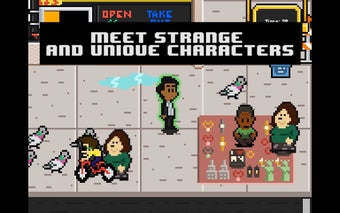
The game is a humorous side-scroller that converts ordinary walking into an arcade loop: move through dense sidewalks, avoid obstacles, and reach a goal as quickly as possible. Encounters are specific and local in tone, with pedestrians, cyclists, pigeons, rats, bodybuilders, and yoga practitioners appearing as hazards. The premise frames each run as a short timed sprint rather than a long campaign, suited to single-session play.
How does movement and challenge feel?
Movement uses distinctive inputs: a reported "crab-like" sideways walk and a limited-duration sprint change how players approach crowd navigation. A player-facing "excuse me" mechanic and a power-up system that includes food for energy and environmental items for crowd control alter positioning and timing. Reviews mention collision detection and limited gameplay depth as friction points that affect precision during tight moments.
What does the game look and sound like?
The presentation leans on a nostalgic pixel-art aesthetic paired with a quirky New York City theme, which gives the stages recognizable personality. Visuals use clear sprite work to separate Luke from NPCs and hazards, so readability on short runs stays high. Audio details are minimal in the source material; the visual tone is the primary craft decision that communicates the game's comic intent and urban atmosphere.
What keeps you coming back after the first session?
Replay value is driven by short-stage scores and competitive elements: Steam leaderboards, 13 achievements, and trading cards encourage repeated attempts and time trials. The arcade loop fits players who enjoy shaving seconds off a run. Mixed user reception balances praise for the addictive premise against comments about technical frustration and a relatively shallow long-term progression.
In summary, a concise arcade pick for casual speedrunners
The game is a wry, short-session choice for players who enjoy quick, score-focused arcade runs and light urban humor. Players seeking deeper progression or meticulous collision fidelity may find the loop limited, since user feedback cites both depth and detection issues. In summary, the title suits anyone after bite-sized competitive runs rather than extended single-player campaigns.